Decentralized exchanges (DEXs) are revolutionizing the way people trade cryptocurrencies. Unlike centralized exchanges, DEXs allow users to trade directly from their wallets without relying on an intermediary. While DEXs offer enhanced privacy, control, and security, they also require users to take personal responsibility for safety.
This guide will teach you how to use decentralized exchanges safely, step by step, including wallet setup, trading, avoiding scams, and protecting your assets.
What Is a Decentralized Exchange (DEX)?
A decentralized exchange is a platform that allows users to trade cryptocurrencies peer-to-peer (P2P) without a central authority. DEXs operate using smart contracts, which automate trades and ensure that funds are exchanged securely.
Key Features of DEXs:
-
No central authority controls your funds
-
Trades occur directly from your wallet
-
Supports privacy-focused trading
-
Usually does not require KYC (Know Your Customer)
-
Offers access to tokens not listed on centralized exchanges
Popular DEX examples include:
-
Uniswap (Ethereum-based)
-
PancakeSwap (Binance Smart Chain)
-
SushiSwap
-
1inch (DEX aggregator)
Benefits of Using a Decentralized Exchange
-
Full Control of Funds – You retain custody of your assets at all times.
-
Lower Risk of Hacks – Since funds aren’t stored centrally, mass hacks are less likely.
-
Access to New Tokens – Many new cryptocurrencies launch directly on DEXs.
-
Privacy – No mandatory KYC for trading.
-
Permissionless Trading – Anyone with a compatible wallet can trade instantly.
Risks of Using a DEX
While DEXs are secure in design, users must be careful:
-
Smart Contract Vulnerabilities – Bugs or exploits can drain funds.
-
Scams and Rug Pulls – Fake tokens may disappear after initial hype.
-
High Gas Fees – Especially on Ethereum, transactions can be expensive.
-
No Customer Support – Mistakes like sending to the wrong address cannot be reversed.
-
Phishing Sites – Fake DEX websites may steal private keys.
Step 1: Set Up a Secure Wallet
DEXs require a non-custodial wallet. Popular wallets include:
-
MetaMask (Ethereum & compatible chains)
-
Trust Wallet (multi-chain support)
-
Coinbase Wallet
-
Ledger or Trezor hardware wallets
Wallet Setup Instructions:
-
Download the wallet from the official source.
-
Create a new wallet.
-
Write down your seed phrase securely offline.
-
Set a strong password for wallet access.
-
Enable hardware wallet integration if available.
Important: Never share your private keys or seed phrase. Losing them means losing access to your funds.
Step 2: Connect Your Wallet to the DEX
-
Open the DEX website (e.g., Uniswap.org)
-
Click Connect Wallet
-
Choose your wallet provider (MetaMask, WalletConnect, etc.)
-
Approve the connection within your wallet
Your wallet remains in control, and the DEX cannot access funds without your confirmation.
Step 3: Select the Tokens You Want to Trade
-
Choose the token you want to swap
-
Enter the amount you want to trade
-
Choose the token you want to receive
Check token details carefully:
-
Contract address (verify from official sources)
-
Token symbol
-
Decimals
Tip: Avoid tokens with low liquidity or unknown sources.
Step 4: Review and Confirm Transactions
-
Click Swap or Trade
-
Review transaction details:
-
Amount
-
Slippage tolerance
-
Network fees
-
-
Confirm the transaction in your wallet
-
Wait for blockchain confirmation
Step 5: Use Slippage Tolerance Wisely
Slippage tolerance is the maximum acceptable price difference during trade execution.
-
Set low slippage (0.5%-1%) for large trades
-
Increase slippage slightly for low-liquidity tokens
-
High slippage increases risk of front-running or impermanent loss
Step 6: Manage Gas Fees
Gas fees are network transaction costs.
-
Ethereum network fees are higher during peak usage
-
Use Binance Smart Chain, Polygon, or Avalanche for cheaper alternatives
-
Consider timing trades during off-peak hours
Step 7: Securely Store Your Tokens
After trading:
-
Check your wallet for the new token balance
-
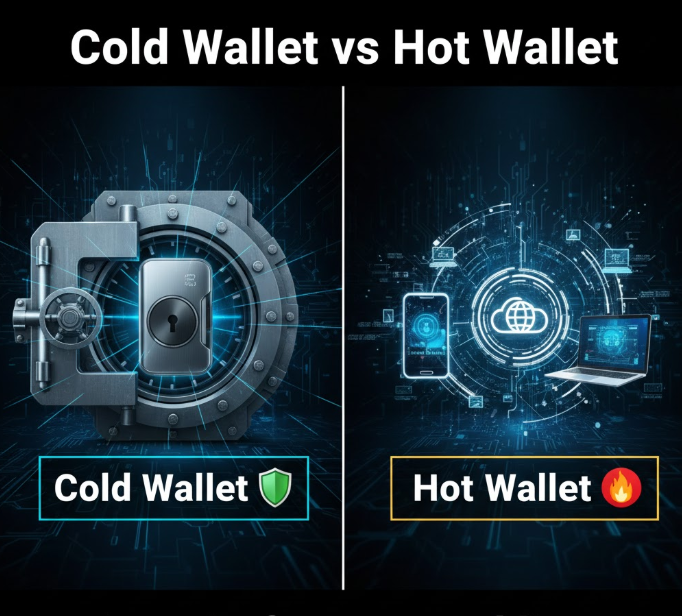
Consider moving tokens to a hardware wallet for long-term storage
-
Avoid leaving large amounts in hot wallets
Step 8: Use DEX Aggregators for Better Rates
DEX aggregators like 1inch or Matcha scan multiple DEXs to find the best price and lowest slippage for your trade.
-
Connect your wallet to the aggregator
-
Select the tokens
-
Review the route and fees
-
Execute the trade
Aggregators reduce the risk of poor execution on a single platform.
Step 9: Avoid Scams and Rug Pulls
Key Safety Practices:
-
Verify token contracts from official sources
-
Check liquidity and market cap
-
Read community reviews
-
Avoid anonymous or newly launched tokens without audits
-
Never click suspicious links or unofficial DEX clones
Step 10: Keep Software and Wallets Updated
-
Update wallet apps regularly
-
Keep browser extensions updated
-
Use antivirus software and avoid public Wi-Fi
Advanced Tips for Safe DEX Trading
-
Test with Small Amounts – Trade small amounts first to verify token contracts and functionality.
-
Use Hardware Wallets for Large Trades – Reduces risk of online theft.
-
Enable Notifications – Some wallets alert you to suspicious activity.
-
Monitor Token Liquidity – Avoid trading tokens with sudden liquidity drops.
-
Record Transactions – Keep a ledger for tax reporting purposes.
Frequently Asked Questions (FAQ)
1. Can I lose my funds on a DEX?
Yes, if you trade scam tokens, make mistakes, or fall for phishing attacks.
2. Do I need KYC for DEX trading?
Most DEXs do not require KYC, but always check your local regulations.
3. Are DEXs safer than centralized exchanges?
DEXs reduce counterparty risk but require more personal responsibility.
4. What is impermanent loss?
It occurs when providing liquidity to a pool; token prices fluctuate, potentially reducing your net gain.
5. Can I use a hardware wallet with a DEX?
Yes. Most hardware wallets integrate with popular DEXs via browser extensions.
6. How do I find the correct token contract?
Always verify token contract addresses from official sources or project websites.
Conclusion
Using decentralized exchanges can be safe and profitable when done carefully. The key principles for security are:
-
Use a trusted wallet and keep your private keys offline
-
Verify all token contracts before trading
-
Manage slippage and gas fees wisely
-
Avoid scams, rug pulls, and unverified tokens
-
Consider hardware wallets for long-term holdings
By following this step-by-step tutorial, you can trade on DEXs confidently while maintaining full control of your crypto assets. DEXs empower users, but personal responsibility is critical for security.