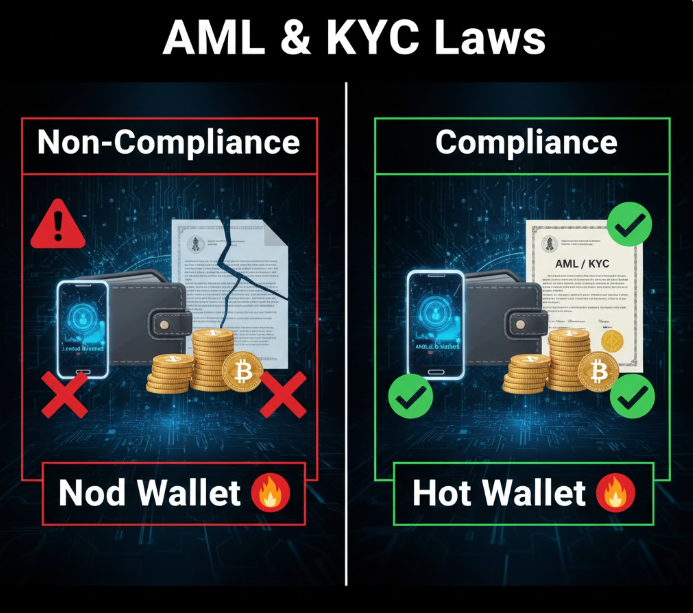
As cryptocurrency adoption continues to grow worldwide, tax authorities are paying closer attention to digital asset transactions. In 2025, reporting crypto taxes accurately is no longer optional. Whether you trade occasionally, stake tokens, earn from DeFi, or mint NFTs, you are required to keep detailed records and report gains or income correctly.
Crypto tax software helps simplify this process by automatically tracking transactions, calculating capital gains and losses, and generating tax reports that align with local regulations. This guide explains the best crypto tax software in 2025, how they work, and how to choose the right one for your needs.
Why Crypto Tax Software Is Important in 2025
Cryptocurrency transactions are taxable in most countries. This includes:
-
Buying and selling crypto
-
Swapping one crypto asset for another
-
Staking and mining rewards
-
NFT sales and royalties
-
DeFi lending and yield farming
-
Airdrops and forks
Manually calculating these transactions is extremely difficult, especially when using multiple wallets and exchanges. Crypto tax software automates this process, reduces errors, and helps users remain compliant with evolving tax laws.
1. Koinly – Best Overall Crypto Tax Software
Koinly is one of the most widely used crypto tax platforms in 2025 due to its broad exchange support and ease of use.
Key Features
-
Automatic transaction import from hundreds of exchanges and wallets
-
Supports DeFi, staking, NFTs, and margin trading
-
Capital gains, income, and portfolio performance reports
-
Country-specific tax calculations for many regions
-
Preview of tax results before purchasing reports
Best For
Beginners, intermediate investors, and users with international crypto activity.
Limitations
-
Full tax reports require a paid plan
-
Advanced users with extremely large transaction volumes may need higher tiers
2. CoinTracker – Best for Portfolio Tracking and Taxes
CoinTracker combines portfolio tracking with crypto tax reporting, making it popular among active traders.
Key Features
-
Syncs data across many wallets and exchanges
-
Real-time portfolio performance tracking
-
Tax-ready reports for capital gains and income
-
Supports major DeFi and NFT activity
Best For
Users who want both investment tracking and tax reporting in one platform.
Limitations
-
Pricing increases with transaction volume
-
Advanced DeFi tracking may require manual adjustments
3. TokenTax – Best for Active and Professional Traders
TokenTax is designed for users with complex trading activity, including high-frequency trading and DeFi use.
Key Features
-
Handles margin trading, derivatives, NFTs, and DeFi protocols
-
Real-time tax liability tracking
-
Optional CPA and audit assistance services
-
Accurate reconciliation of complex transaction histories
Best For
Professional traders, institutions, and users needing expert tax support.
Limitations
-
Higher pricing compared to beginner-focused tools
-
Overkill for casual investors
4. CoinLedger – Best for Detailed Tax Reporting
CoinLedger focuses on generating professional-grade tax reports while remaining easy to use.
Key Features
-
Imports transactions from many exchanges and wallets
-
Generates detailed capital gains and income reports
-
Compatible with common tax filing software
-
Clear audit-ready documentation
Best For
Users who want highly detailed, accountant-friendly tax reports.
Limitations
-
Free plan does not generate official tax forms
-
Limited portfolio analytics compared to competitors
5. ZenLedger – Best for U.S. Crypto Tax Reporting
ZenLedger is optimized for users filing taxes in the United States.
Key Features
-
Generates IRS-compliant tax forms
-
Supports DeFi, NFTs, and staking income
-
Audit and compliance tools included in higher plans
-
Clear breakdown of taxable events
Best For
U.S. taxpayers with moderate to complex crypto activity.
Limitations
-
Less suitable for non-U.S. users
-
Advanced features require premium plans
How to Choose the Right Crypto Tax Software
When selecting crypto tax software in 2025, consider the following factors:
Exchange and Wallet Support
Ensure the software supports all platforms you use, including DeFi protocols and NFT marketplaces.
Country and Tax Rules
Choose software that supports your local tax laws and reporting formats.
Transaction Volume
Some platforms charge based on the number of transactions processed.
Advanced Features
Look for support for staking, NFTs, margin trading, and DeFi if applicable.
Accuracy and Audit Readiness
Good crypto tax software provides clear documentation and traceable calculations.
Common Mistakes to Avoid
-
Relying on manual spreadsheets
-
Ignoring DeFi and NFT taxable events
-
Using unsupported exchanges or wallets
-
Waiting until tax season to organize transactions
-
Assuming crypto taxes are optional
Final Verdict
In 2025, crypto tax software is essential for anyone involved in digital assets. The best platform depends on your experience level, transaction complexity, and country of residence.
-
Best overall: Koinly
-
Best portfolio + tax combo: CoinTracker
-
Best for professionals: TokenTax
-
Best for detailed reports: CoinLedger
-
Best for U.S. taxpayers: ZenLedger
Using the right tool saves time, reduces errors, and protects you from penalties or audits.