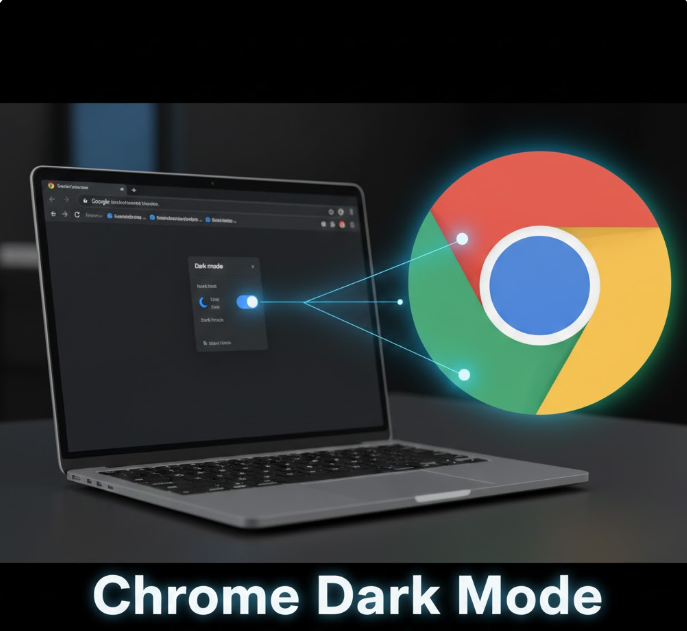
Dark mode has become a popular feature for web browsers, apps, and operating systems. It’s easier on the eyes, reduces screen glare, and can even help save battery life on devices with OLED screens. Google Chrome offers a built-in dark mode for desktops and mobile devices, and enabling it is quick and easy.
In this guide, we’ll walk you through step-by-step instructions to turn on Chrome dark mode on Windows, Mac, Android, and iPhone, along with troubleshooting tips and customization options.
Why Use Dark Mode in Chrome?
Dark mode offers several benefits:
-
Reduces eye strain – especially when browsing at night or in low light
-
Saves battery – OLED screens use less power with dark backgrounds
-
Improves focus – reduces bright distractions
-
Modern look – many users prefer the sleek dark interface
How to Enable Chrome Dark Mode on Windows 10 and 11
Chrome on Windows follows the system-wide theme, meaning it adapts to your Windows theme settings.
Step-by-Step:
-
Open Settings on your Windows PC
-
Go to Personalization → Colors
-
Under Choose your default app mode, select Dark
-
Open Google Chrome – the interface will now appear in dark mode
Tip: If Chrome doesn’t update immediately, restart the browser.
How to Enable Chrome Dark Mode on Mac
On a Mac, Chrome also follows the system theme:
Step-by-Step:
-
Click the Apple menu → System Settings (or System Preferences)
-
Go to Appearance
-
Select Dark
-
Open Chrome – it will now display in dark mode
Note: Chrome respects macOS light/dark mode, so switching back to Light will revert Chrome.
How to Enable Chrome Dark Mode on Android
Chrome for Android allows independent dark mode settings:
Step-by-Step:
-
Open Chrome app
-
Tap the three-dot menu in the top-right corner
-
Go to Settings → Themes
-
Select Dark
-
Chrome will switch to dark mode immediately
Optional: Choose System Default to follow your Android’s dark mode settings automatically.
How to Enable Chrome Dark Mode on iPhone or iPad
On iOS, Chrome follows the device theme:
Step-by-Step:
-
Open Settings on your iPhone or iPad
-
Go to Display & Brightness
-
Select Dark under Appearance
-
Open Chrome – it will automatically display in dark mode
Tip: To toggle back, simply switch to Light mode or use the Control Center → Appearance shortcut.
How to Enable Dark Mode on Individual Websites (Optional)
Some websites don’t automatically adapt to Chrome dark mode. You can force dark mode in Chrome:
Step-by-Step:
-
Type
chrome://flagsin the Chrome address bar -
Search for “Dark Mode”
-
Enable Force Dark Mode for Web Contents
-
Restart Chrome
Now, most websites will appear in dark mode, even if they don’t have a native dark theme.
Troubleshooting Dark Mode Issues
-
Chrome not turning dark: Ensure your system theme is set to Dark and Chrome is up-to-date
-
Only menus are dark: Enable “Force Dark Mode for Web Contents” in Chrome flags
-
Dark mode turns off after update: Reapply theme settings and restart Chrome
FAQ
Can I schedule dark mode automatically?
Yes. Both Windows and macOS allow scheduling light/dark themes. Android and iOS can also follow system settings automatically.
Will dark mode save battery on my laptop?
Yes, particularly on devices with OLED or AMOLED screens.
Does dark mode affect website colors?
Some websites may not fully adapt. Use Chrome’s “Force Dark Mode” for a consistent experience.
Can I switch Chrome back to light mode easily?
Yes. Just follow the same steps and select Light or System Default.
Are there Chrome extensions for dark mode?
Yes, extensions like Dark Reader offer more control and customization of dark themes on individual websites.
Final Thoughts
Turning on dark mode in Chrome is simple and beneficial, whether you use Windows, Mac, Android, or iOS. It reduces eye strain, improves focus, and provides a modern browsing experience.
By following these steps and using optional website dark mode features, you can enjoy a consistent dark browsing experience across all platforms.