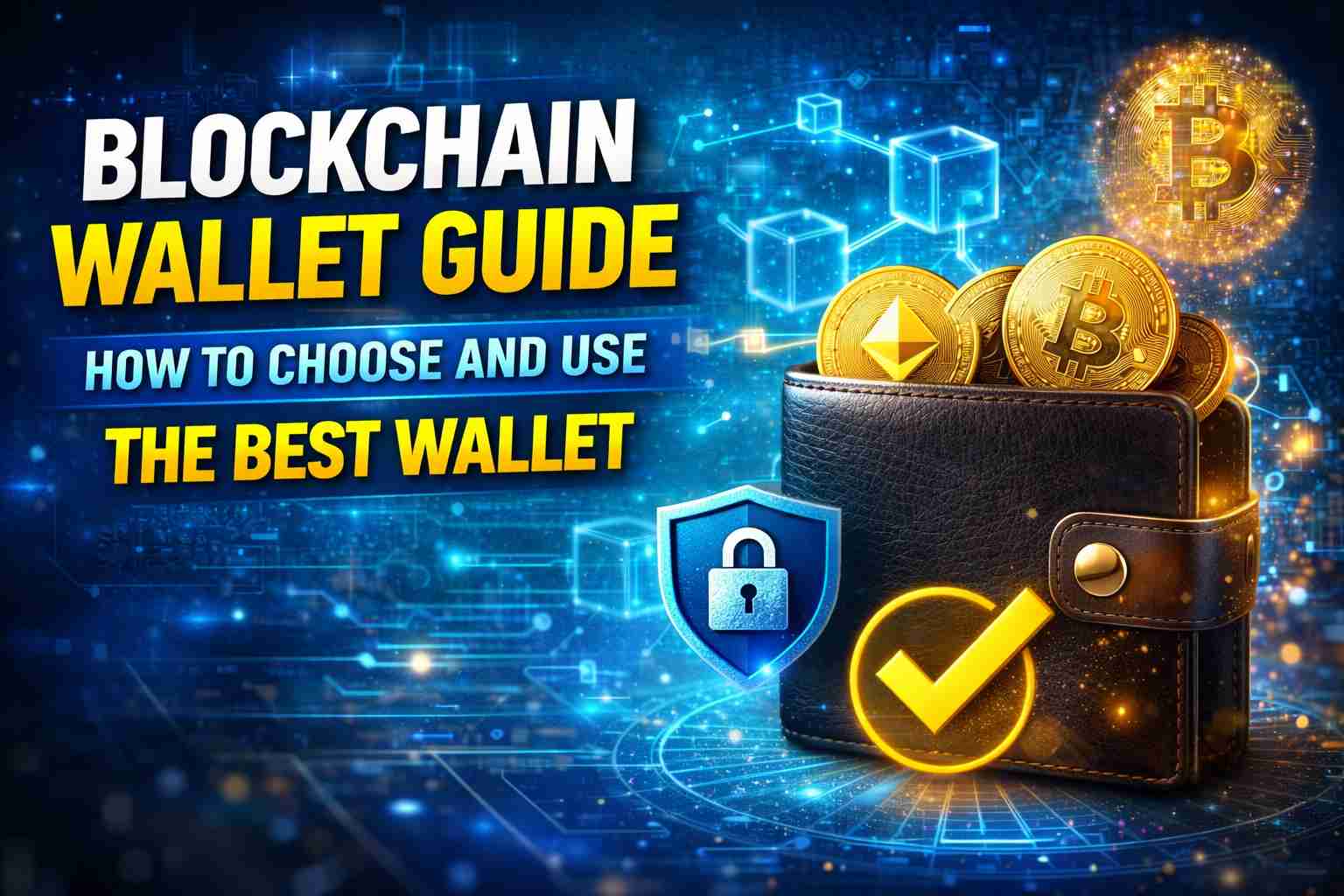
Cryptocurrency is rapidly gaining traction worldwide, and as it becomes more mainstream, the need for secure and convenient storage grows. Whether you’re a beginner investing in Bitcoin, Ethereum, or other altcoins, or an experienced trader, understanding blockchain wallets is essential.
A blockchain wallet allows you to store, send, and receive cryptocurrency securely. However, choosing the right wallet can be overwhelming due to the many types available, each with unique features, security levels, and convenience factors. This guide explains everything you need to know about blockchain wallets and provides actionable advice on selecting and using the best one.
What Is a Blockchain Wallet?
A blockchain wallet, also called a crypto wallet, is a digital tool that stores your private keys, which are necessary to access your cryptocurrency on the blockchain. Contrary to popular belief, wallets don’t actually store coins. Instead, they hold the keys that give you access to your digital assets.
Your wallet interacts with the blockchain to:
-
Send cryptocurrency to others
-
Receive cryptocurrency
-
Track your balances
-
Sign transactions securely
There are two key components:
-
Public Key: Your wallet’s address used for receiving crypto
-
Private Key: A secret code that allows you to access and control your funds
Keeping your private key secure is critical. Losing it means losing access to your funds permanently.
Types of Blockchain Wallets
Wallets are broadly categorized into hot wallets and cold wallets, based on whether they are connected to the internet.
1. Hot Wallets
Hot wallets are always connected to the internet. They are convenient for frequent transactions but slightly more vulnerable to hacks.
Examples:
-
Mobile wallets (apps for iOS/Android)
-
Web wallets (browser-based wallets)
-
Desktop wallets (software installed on your computer)
Pros:
-
Quick access to funds
-
Easy to use for beginners
-
Supports multiple cryptocurrencies
Cons:
-
Vulnerable to phishing attacks and malware
-
Risk of server hacks if using web wallets
2. Cold Wallets
Cold wallets store your keys offline, making them highly secure against online threats.
Examples:
-
Hardware wallets (Ledger, Trezor)
-
Paper wallets (physical print of keys or QR codes)
Pros:
-
Extremely secure against online attacks
-
Ideal for long-term storage
Cons:
-
Less convenient for frequent transactions
-
Hardware wallets cost money
-
Paper wallets can be lost or damaged
Factors to Consider When Choosing a Blockchain Wallet
Choosing the right wallet requires evaluating multiple factors:
1. Security
-
Check for two-factor authentication (2FA)
-
Look for private key encryption
-
Ensure the wallet supports backup and recovery
-
Research the wallet’s reputation and history of hacks
2. Type of Wallet
-
Hot wallet for active trading
-
Cold wallet for long-term storage
Some users opt for a hybrid approach: keep small amounts in a hot wallet for spending and the majority in a cold wallet for security.
3. Cryptocurrency Support
Not all wallets support every cryptocurrency. Ensure your wallet supports:
-
Bitcoin (BTC)
-
Ethereum (ETH)
-
Altcoins you plan to hold
4. User Experience
-
Mobile-friendly interface
-
Easy transaction process
-
Intuitive navigation for beginners
5. Backup & Recovery
-
Wallet must allow seed phrases or private key backups
-
Verify that instructions for recovery are clear
6. Cost
-
Many hot wallets are free
-
Hardware wallets range from $50 to $200
-
Consider cost versus level of security
How to Set Up a Blockchain Wallet
Setting up a wallet varies by type. Here’s a step-by-step guide for the most common types:
Setting Up a Mobile Wallet
-
Choose a reputable wallet app (e.g., Trust Wallet, MetaMask, Coinbase Wallet)
-
Download and install from official app stores
-
Open the app and click Create New Wallet
-
Write down the seed phrase and store it securely offline
-
Set a strong password or PIN
-
Start receiving and sending cryptocurrency
Setting Up a Hardware Wallet
-
Purchase a hardware wallet from an official manufacturer
-
Connect it to your computer via USB or Bluetooth
-
Follow the manufacturer’s instructions to generate a private key
-
Store the recovery seed offline
-
Transfer cryptocurrency from exchanges or hot wallets
Setting Up a Desktop Wallet
-
Download the wallet from the official website
-
Install the software on your computer
-
Generate a wallet and backup your seed phrase
-
Encrypt the wallet with a strong password
-
Start using it for transactions
How to Use Your Blockchain Wallet
Receiving Cryptocurrency
-
Open your wallet
-
Copy your public address
-
Share the address with the sender
-
Wait for the transaction to be confirmed on the blockchain
Sending Cryptocurrency
-
Open your wallet
-
Enter the recipient’s public address
-
Enter the amount to send
-
Confirm transaction fees
-
Approve the transaction using your private key or password
Managing Multiple Cryptocurrencies
Many wallets support multiple coins. Use separate addresses for each currency if necessary, and keep track of balances through the wallet interface.
Tips for Keeping Your Wallet Secure
-
Never share your private key or seed phrase
-
Enable 2FA on all wallets that support it
-
Avoid using public Wi-Fi for transactions
-
Regularly update your wallet software
-
Consider splitting funds between multiple wallets for safety
-
Use a hardware wallet for storing large amounts
Common Mistakes to Avoid
-
Losing your seed phrase
-
Falling for phishing attacks and fake wallets
-
Storing all crypto in an exchange wallet only
-
Using weak or repetitive passwords
-
Skipping software updates
Frequently Asked Questions (FAQ)
1. Can I recover my wallet if I lose my phone?
Yes, if you have your seed phrase. It allows you to restore your wallet on any compatible device.
2. Are blockchain wallets free?
Many hot wallets are free. Cold wallets, especially hardware wallets, typically cost money.
3. Can my wallet be hacked?
Yes, hot wallets connected to the internet are vulnerable. Cold wallets are much safer.
4. What is a seed phrase?
A seed phrase is a backup of your private keys. It’s essential for wallet recovery.
5. Can I hold multiple cryptocurrencies in one wallet?
Yes, some wallets are multi-coin compatible, allowing you to manage all your assets in one place.
6. Do I need a wallet for every exchange?
No. You can transfer funds from multiple exchanges to a single wallet.
7. Is using a hardware wallet necessary?
Not mandatory, but recommended for storing large amounts of cryptocurrency securely.
Conclusion
Choosing and using the right blockchain wallet is a critical step in securing your cryptocurrency. The best wallet depends on your priorities:
-
Hot wallets for convenience and trading
-
Cold wallets for long-term storage and security
Always prioritize security, backup options, and official sources. By following this guide, you’ll be able to confidently choose, set up, and use a blockchain wallet that fits your needs, ensuring your crypto assets remain safe while giving you the flexibility to manage and grow your holdings.